 Japan
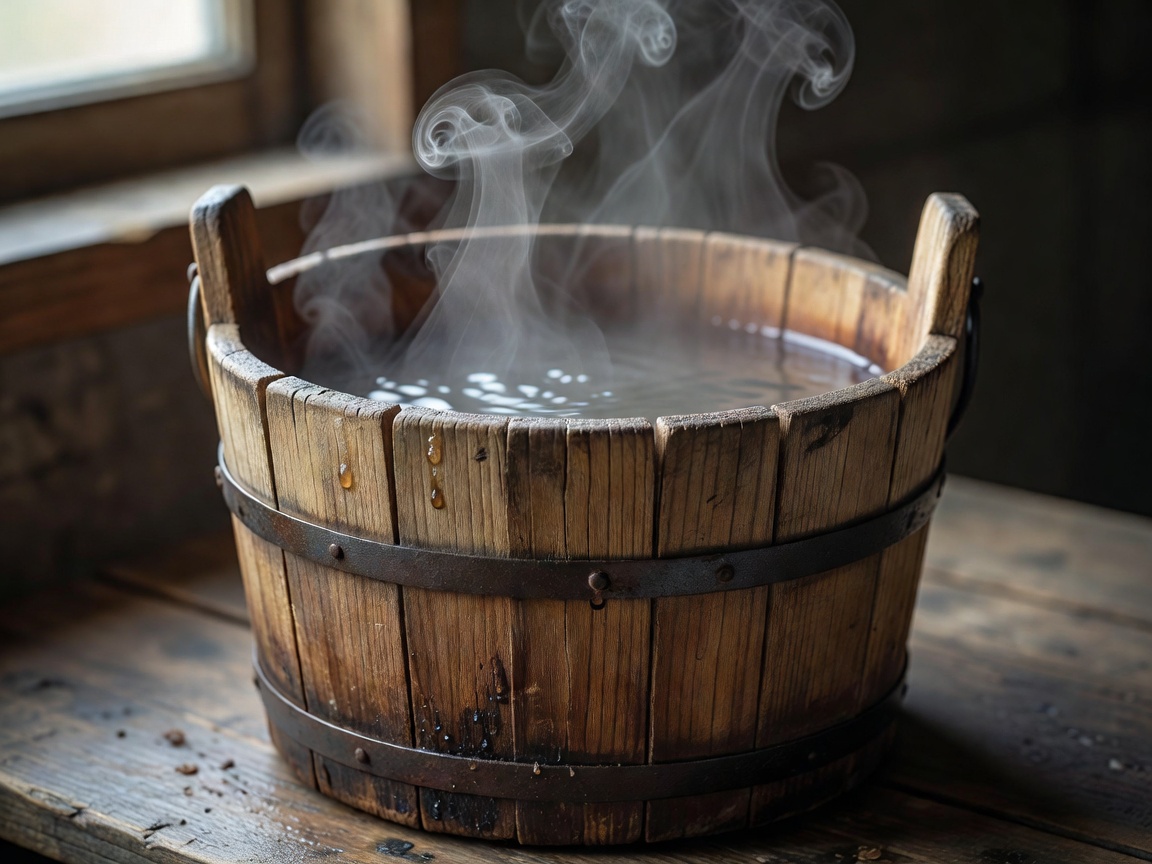
JapanWash first, then soak
In Japanese ofuro bathing, people wash and rinse before getting into the tub, so the bath is purely for soaking and warmth. At home, a quick shower first makes a short bath feel more restful.
Spend less
Self-care has become a large market, and it is easy to feel that rest requires the right candle, the right mask and the right robe. It does not. Before buying anything for a home spa, ask: would I still do this routine without it? If the answer is yes, the purchase is a decoration, not a need. Decorations are fine when they genuinely bring you joy, but they should never be the price of admission.
A second helpful question is how often you will use it. A basin you soak your feet in every week earns its place. A single-use sheet mask is gone after twenty minutes. Reusable, plain and multi-purpose items nearly always win.
Most of what you need is already in the bathroom, kitchen or linen cupboard.
| Instead of | Try | Note |
|---|---|---|
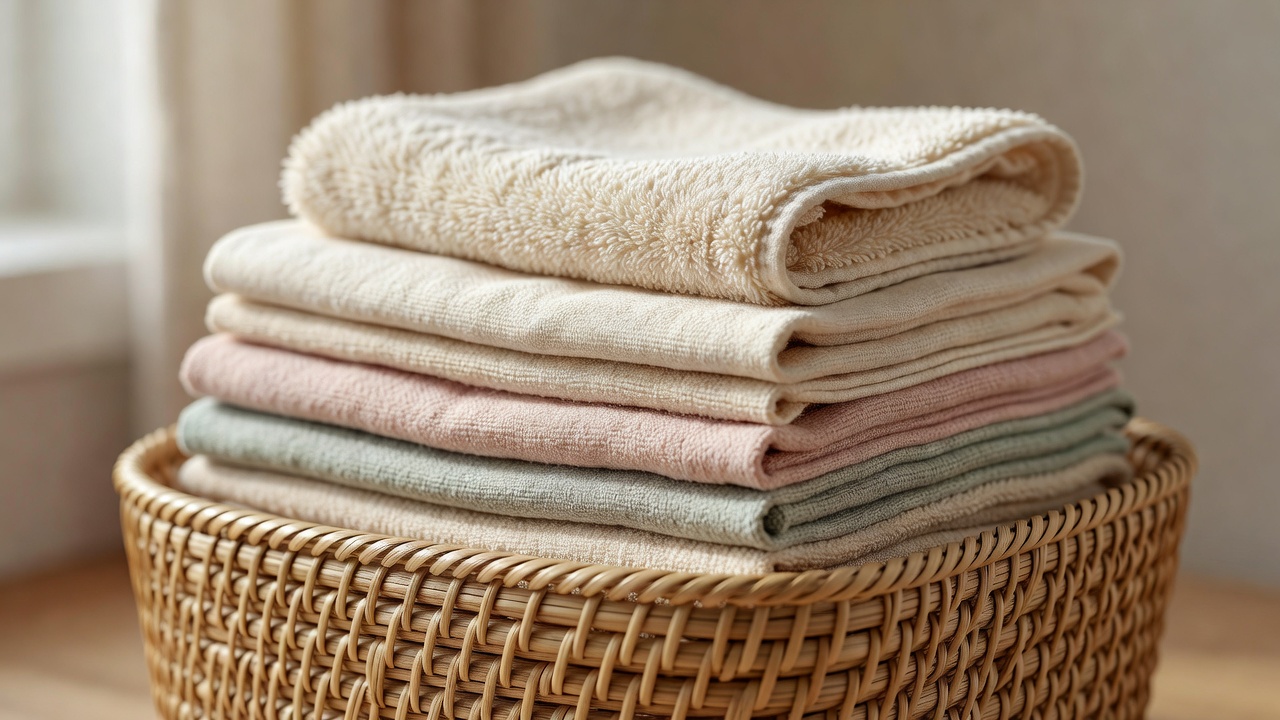
| Spa robe | Warmed bath towel | Radiator, heated rail or a few minutes in the dryer |
| Foot spa machine | Washing-up bowl or basin | Keep one just for feet |
| Disposable cotton pads | Cut-up old cotton T-shirt or flannels | Wash and reuse |
| Branded body scrub | Sugar and cooking oil | Hands and feet only |
| Bath bombs | Plain oats in a cotton cloth | Gentler on most skin |
| Cooling eye pads | Cool damp flannel | Fold and rest over closed eyes |
| Meditation app | Kitchen timer and a breathing count | No subscription, no notifications |
| Diffuser | Fresh air or mint tea nearby | Safer around pets and asthma |
If you would like a small set of things kept aside for spa evenings, this is enough for every routine on this site:
Store them together in a basket or on one shelf. Having them in one place makes starting easier, which matters more than what they cost.
Many of the world's bathing cultures grew up around ordinary people, not luxury. Their core ideas translate cheaply to a home bathroom.
JapanIn Japanese ofuro bathing, people wash and rinse before getting into the tub, so the bath is purely for soaking and warmth. At home, a quick shower first makes a short bath feel more restful.
 Türkiye
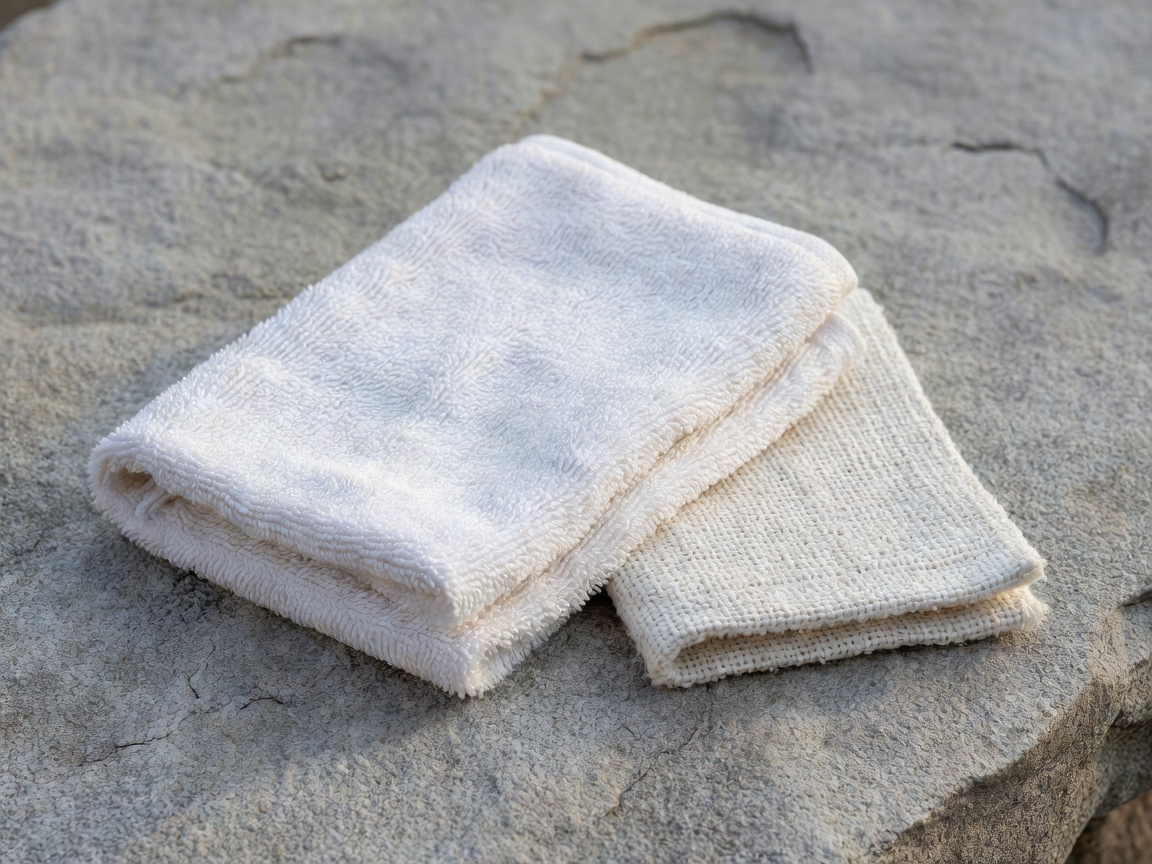
The hammam tradition pairs warmth with a textured kese mitt. A rough cotton flannel used lightly gives a similar feeling. Korea's "Italy towel" is a well-known everyday version of the same idea.
 Finland
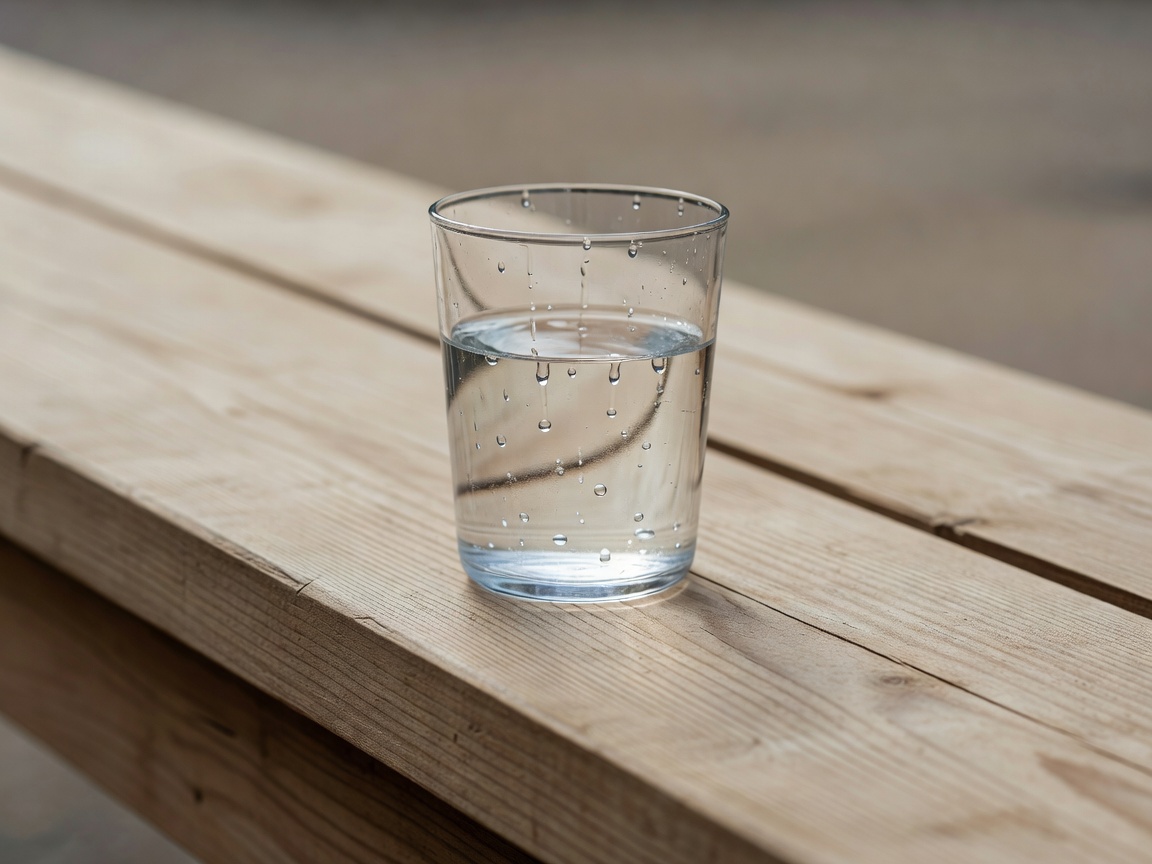
Finnish sauna culture alternates heat, cooling off and rest. Without a sauna, a warm bath followed by a few minutes sitting quietly wrapped in a towel, with a glass of water, captures the rhythm.
Rest is the part that cannot be bought. It is also the part most often skipped.
Some of the most restorative choices cost nothing: an early night, a walk at dusk, a library book read in the bath, a phone left in the hall, a long exhale. Public libraries often lend audiobooks and relaxation recordings through their apps, and many health services publish free breathing and relaxation audio.
Spending less is not about being strict. It is about keeping the focus on the pause itself, so that a quiet evening never depends on a delivery arriving first.
Cookies on this site Some cookies are needed for the site to work. Others help us understand how it is used. You can change your choice later. Cookie policy