Gentle care
GENTLE CARE AT HOME
Comfort, not cure
The treatments here are about feeling cared for: warmth, softness and a few minutes of attention. They are not remedies. A foot soak will not fix a fungal nail, and an oat bath is not a substitute for eczema treatment. If skin is cracked, bleeding, infected, unusually painful or changing, or if you have diabetes or poor circulation affecting your feet, speak to a pharmacist, podiatrist or doctor before trying home treatments.
Four principles run through everything below:
- Warm, not hot. Test water with your wrist or elbow, which are more sensitive than fingertips.
- Short and occasional. Long soaks and frequent scrubbing dry and irritate skin.
- Mild ingredients. Plain, unscented and food-grade where possible.
- Patch test first. Anything new goes on a small patch of inner forearm before anywhere else.
If it stings, burns or itches, rinse it off with cool water and stop. Comfort should feel comfortable.
Warm foot soak
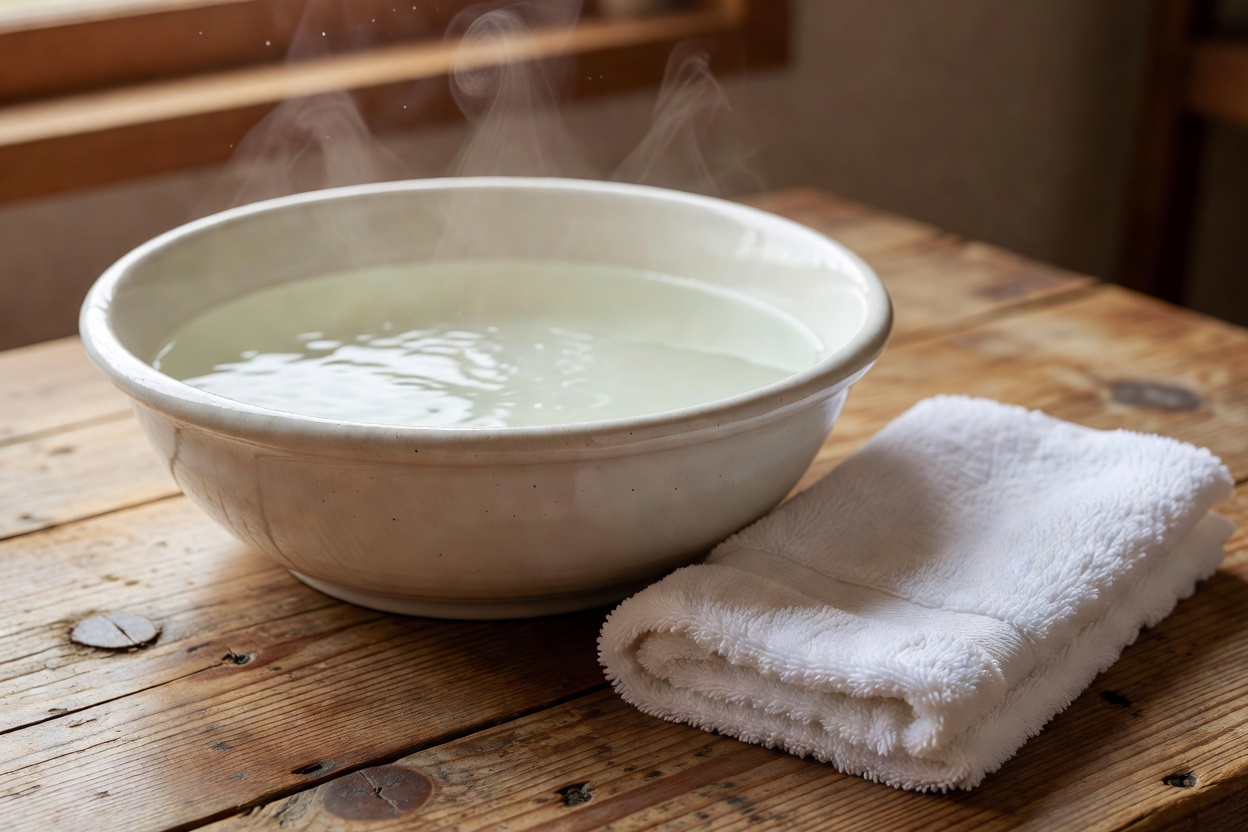
Fill a basin with comfortably warm water deep enough to cover your ankles. A handful of plain Epsom salt (magnesium sulfate) is optional; it is a traditional addition many people enjoy, though evidence that it does anything beyond warm water alone is limited.
Soak for ten to fifteen minutes, dry carefully between the toes, and apply a plain moisturiser to heels, avoiding the gaps between toes.
People with diabetes or reduced feeling in their feet should avoid hot soaks and check with their care team, since burns and slow-healing skin are real risks. Health services such as the NHS publish foot-care guidance for exactly this reason.
Oat bath bag
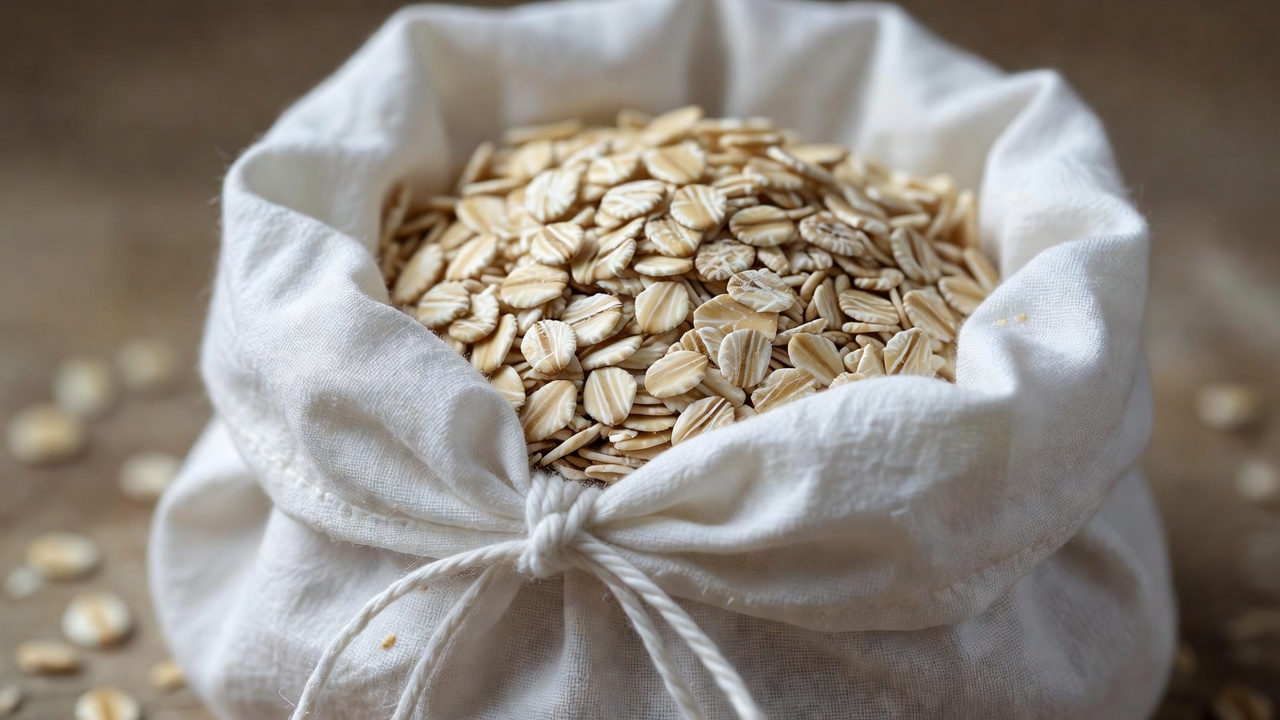
Oats have a long history in skin care, and colloidal oatmeal, oats ground very finely, is recognised as a skin protectant in the United States. At home you can make a gentler version: put two or three handfuls of plain rolled oats in a clean cotton cloth or an old, clean sock, tie it closed and swish it through a lukewarm bath until the water turns slightly milky. Squeeze it gently and let it float while you soak.
Keep the bath short, around ten minutes, and pat rather than rub yourself dry. The American Academy of Dermatology suggests warm rather than hot water and applying moisturiser within a few minutes of bathing, while skin is still slightly damp. Oats make the tub slippery, so step out carefully and rinse the bath afterwards.
Warm cloth compress
Soak a cotton flannel in warm water, wring it out until it no longer drips, and test it on your inner wrist. Lay it across the back of your neck, your shoulders or, folded, over closed eyes. Breathe slowly until it cools, about two minutes, then rewarm it once or twice. Never microwave a wet cloth to heat it; uneven hot spots can scald. A cool compress works the same way on warm evenings.
Hand and foot scrub
Stir one tablespoon of granulated sugar into one tablespoon of a plain cooking oil you already have, such as sunflower or olive. Massage gently into hands or feet for a minute, then rinse with warm water. Keep sugar scrubs away from the face, broken skin and freshly shaved areas, and use them once a week at most. Mix only what you need; homemade blends have no preservatives.
Simple face care
For the face, gentler is better. Wash with lukewarm water and your usual cleanser, pat dry, and finish with a plain moisturiser. A warm, not hot, damp cloth held over the face for a minute is soothing on its own. Skip kitchen experiments here: the facial skin reacts more easily than hands or feet.
What to leave in the cupboard
- Lemon and lime juice on skin. Combined with sunlight, citrus can cause phytophotodermatitis, a burn-like rash that can leave dark marks.
- Baking soda on the face. It is strongly alkaline compared with skin and can leave it dry and irritated.
- Undiluted essential oils. They are concentrated and can cause irritation or allergic reactions. Never swallow them, and keep them away from children and pets. The US National Center for Complementary and Integrative Health summarises what is and is not known.
- Toothpaste, vinegar or alcohol on spots. Often recommended online, often irritating.
- Very hot baths. These can cause dizziness and are best avoided in pregnancy, with heart conditions or after drinking alcohol.
Good options remain: warm water, clean cotton, plain oats, a little sugar and oil, and the moisturiser already on your shelf. For questions about specific conditions or ingredients, see our answers or ask a pharmacist.