Bloopcrewsparkspa

Slow routines

A PAUSE YOU CAN REPEAT

Repeatable beats perfect

The routines on this page are deliberately plain. A routine you can repeat on a tired Tuesday is worth more than an elaborate one you manage twice a year. Each version uses the same building blocks: warmth, slow breathing, letting muscles soften, and a clear ending. Pick the length that fits tonight, not the one you think you ought to do.

Three well-known techniques sit underneath them. None needs equipment, and all are widely taught in community classes and by health services. They are ways to rest, not treatments for anxiety, insomnia or any medical condition. If you are struggling with those, a GP or doctor is the right first step.

Three building blocks

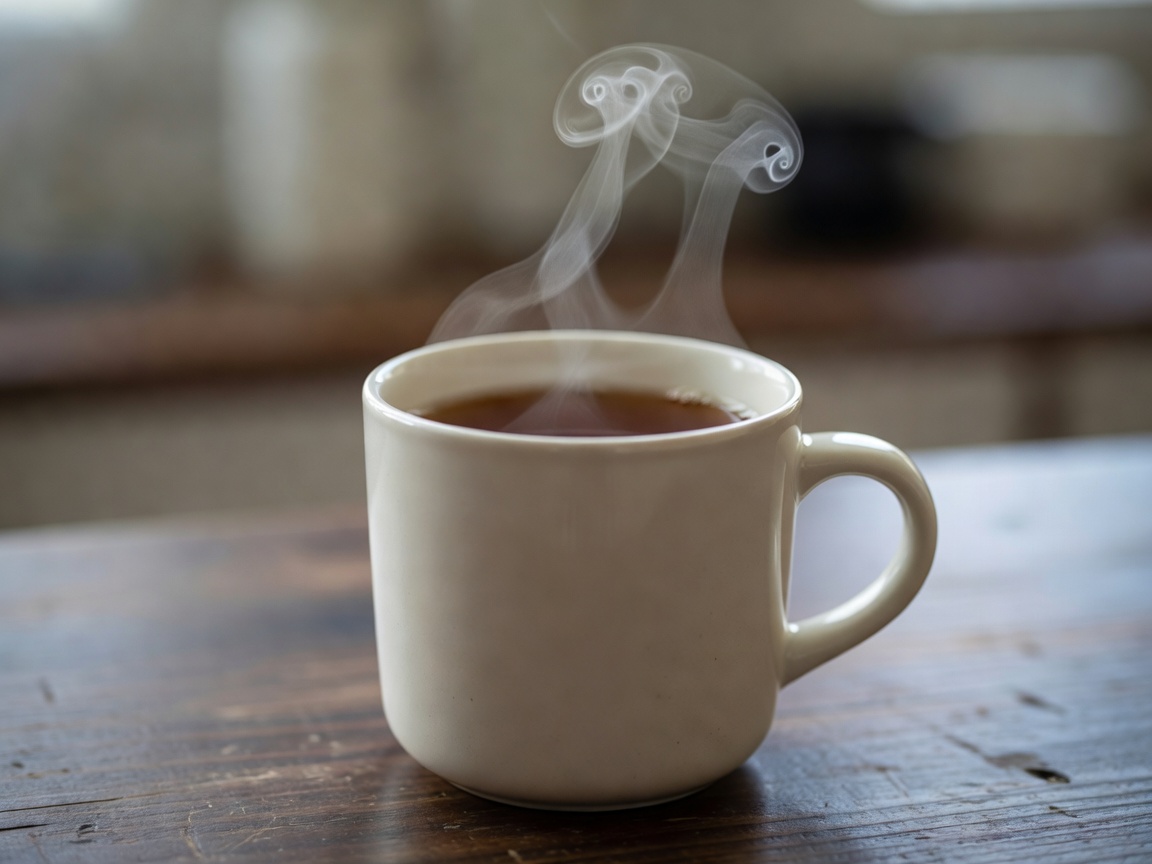
Shallow-focus close-up of steam rising from a plain ceramic mug of teaBreath

Slow breathing

Breathing out for longer than you breathe in is one of the simplest ways to slow down. The 4-7-8 pattern popularised by Dr Andrew Weil and the even "box" count used in many training settings are two familiar versions. If holding the breath feels uncomfortable, skip the holds and simply lengthen each exhale.
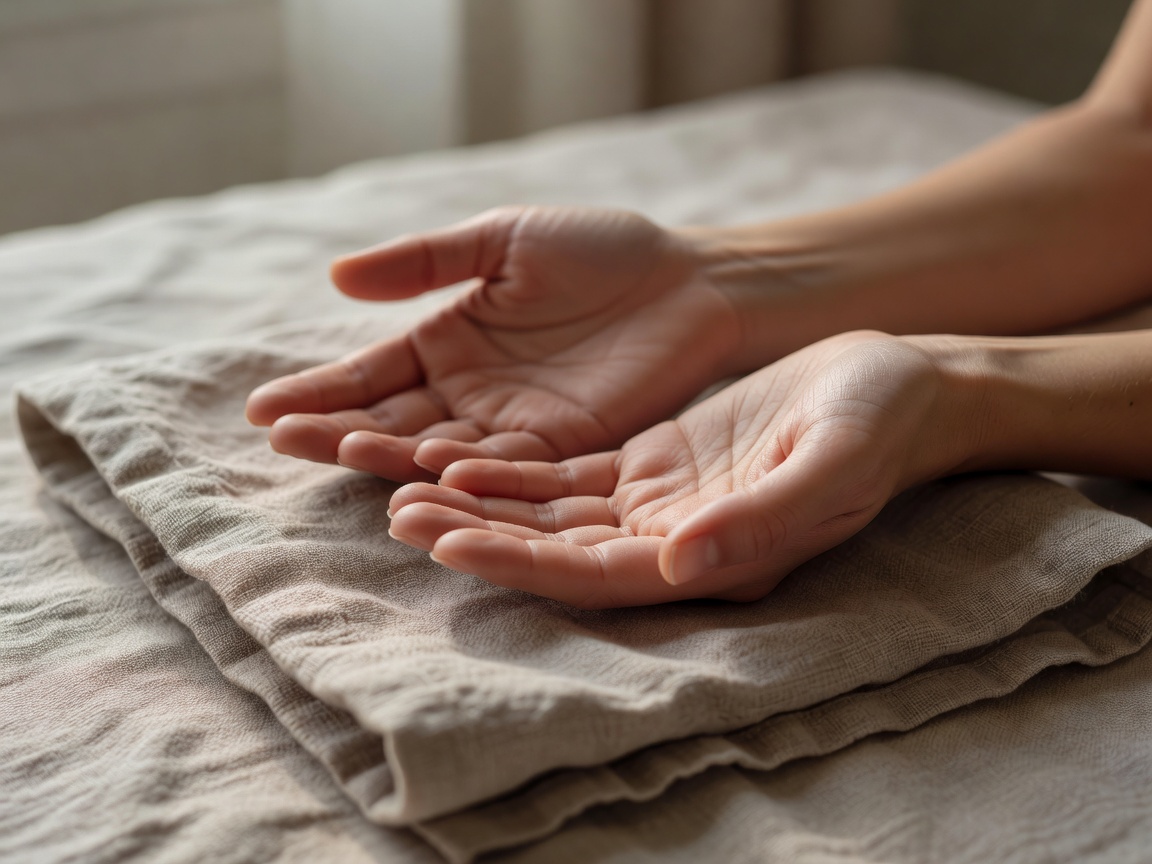
Close-up of relaxed open hands resting on a folded linen clothMuscles

Tense and release

Progressive muscle relaxation was developed by the American physician Edmund Jacobson in the early twentieth century. You gently tense one muscle group for about five seconds, then let it go and notice the difference. Tense lightly; it should never hurt.

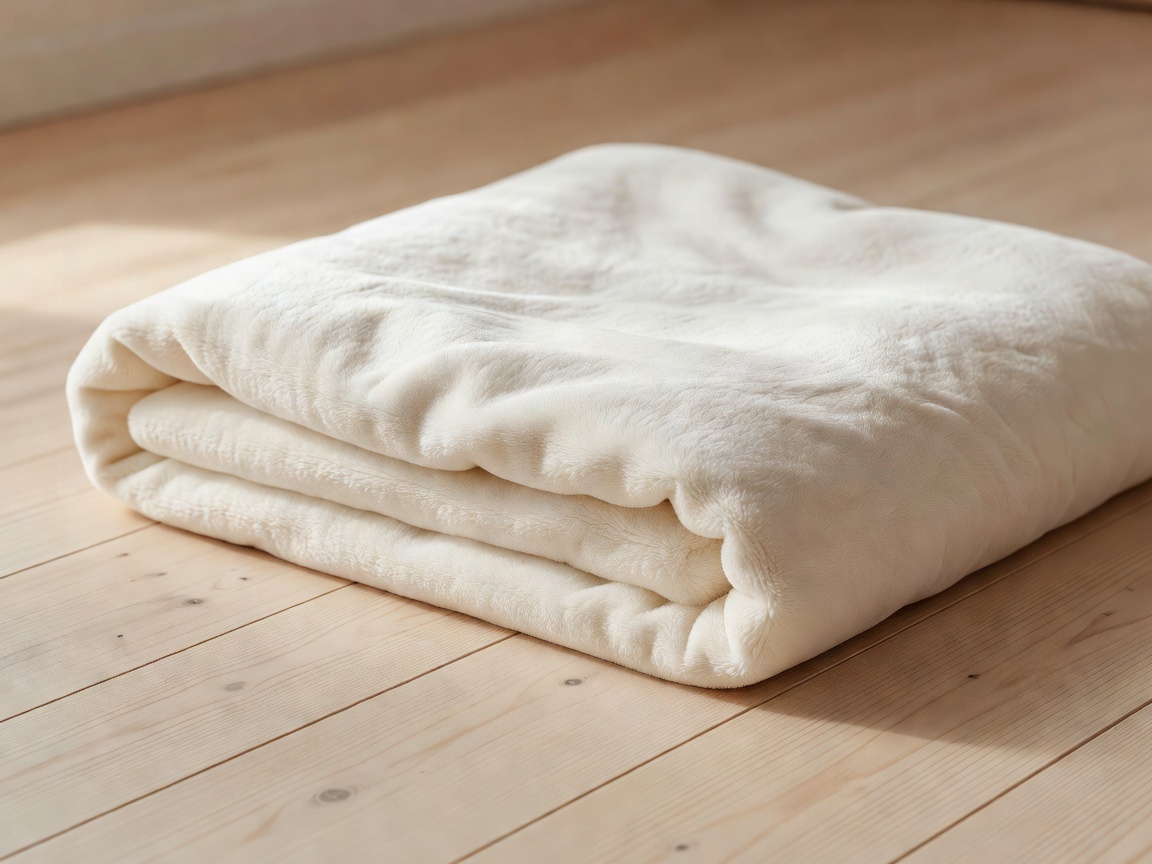
Close-up of a soft folded cotton blanket lying on a pale wooden floorAttention

Body scan

The body scan is a core practice in Mindfulness-Based Stress Reduction, the programme Jon Kabat-Zinn started at the University of Massachusetts Medical School in 1979. You move your attention slowly from toes to head, noticing without trying to change anything.

The ten-minute version

For evenings when time is short. All you need is a chair and a warm flannel.

  1. Arrive1 minute

    Sit down, feet flat. Notice three things you can hear.

  2. Breathe out longer3 minutes

    In for four, out for six. Let the count go if it starts to feel like a task.

  3. Warm the neck3 minutes

    Hold a wrung-out warm flannel at the back of your neck while you keep breathing slowly.

  4. Shoulders and hands2 minutes

    Tense and release your shoulders, then your fists, three times each.

  5. Close1 minute

    Drink some water. Fold the cloth. Stand up slowly.

The twenty-minute version

Add a warm foot soak and a fuller muscle sequence.

  1. Prepare3 minutes

    Fill a basin with comfortably warm water, test it with your wrist and set a towel beside it.

  2. Soak and breathe7 minutes

    Feet in the water. Slow breathing, then let your breath return to normal.

  3. Tense and release6 minutes

    Work upwards: feet, calves, thighs, stomach, hands, arms, shoulders, face. About five seconds of light tension, then ten of letting go.

  4. Dry and moisturise4 minutes

    Dry carefully between the toes, then massage in a plain moisturiser.

Feeling light-headed? Stop the breathing pattern, breathe normally and sit still for a minute.

The thirty-minute version

For a slower weekend evening, combine a lukewarm bath with a body scan.

  1. Set the room5 minutes

    Lamp on, towel warming, phone elsewhere. See our room setup notes.

  2. Bath10–15 minutes

    Warm, not hot. Dermatologists generally advise keeping baths short to avoid drying the skin.

  3. Body scan8 minutes

    Lying down afterwards, wrapped in a towel or blanket, move your attention from toes to the top of your head.

  4. Ending2 minutes

    Moisturise, drink water and do one small tidy-up so the space is ready for next time.

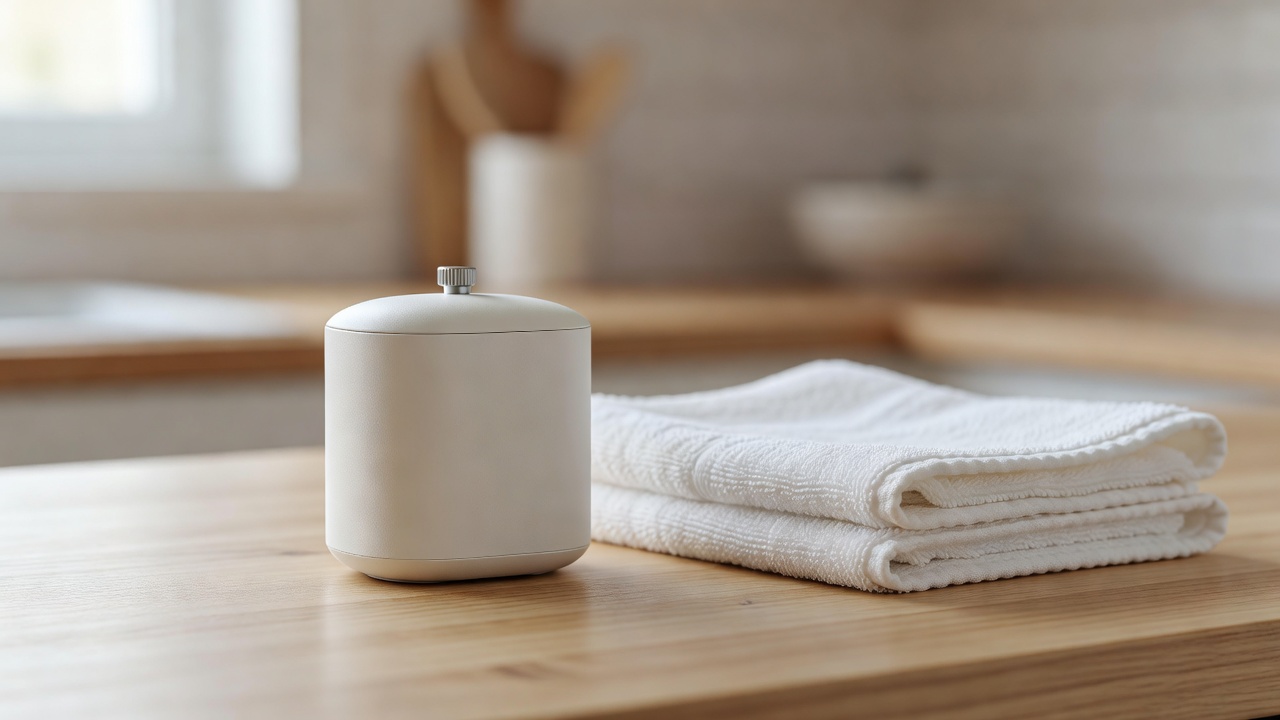
Close-up of a simple wind-up kitchen timer next to a folded white towel
A simple timer lets you stop watching the clock.

Outside, without a forest

Japan's Forestry Agency introduced the term shinrin-yoku, or forest bathing, in 1982 to encourage slow, attentive time among trees. You can borrow the spirit of it at home: open a window, sit beside a houseplant or a view of the sky, and spend five minutes simply noticing. It is free and pairs well with any of the routines above.